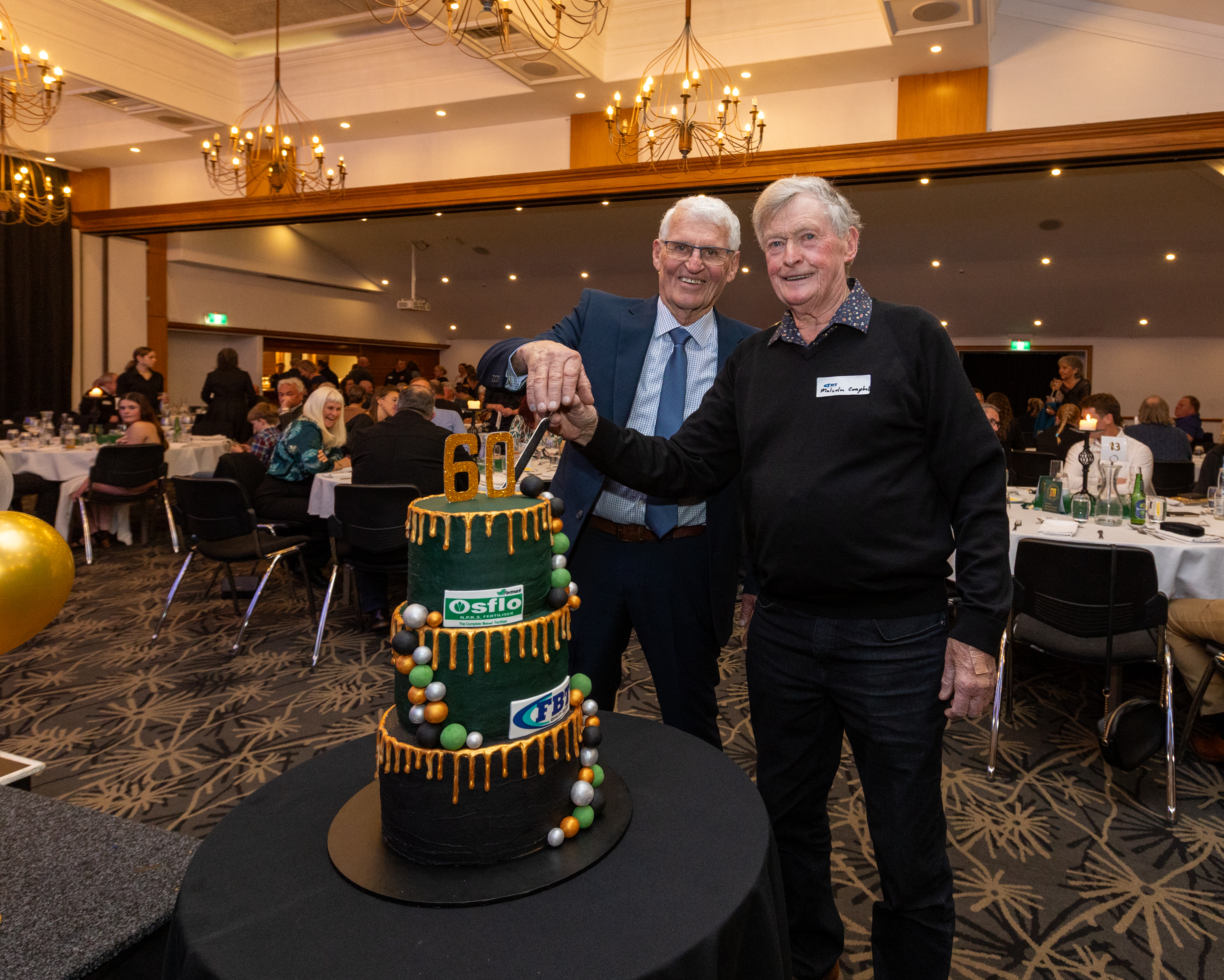
Sixty years is a remarkable milestone for any business. But for the GC Group it was built on hard work, regional roots, and an unwavering commitment to the people around them. It’s a story about what happens when two young men decide to take a chance, stay committed to a place, and build something worth inheriting.
The Beginning: One Handshake
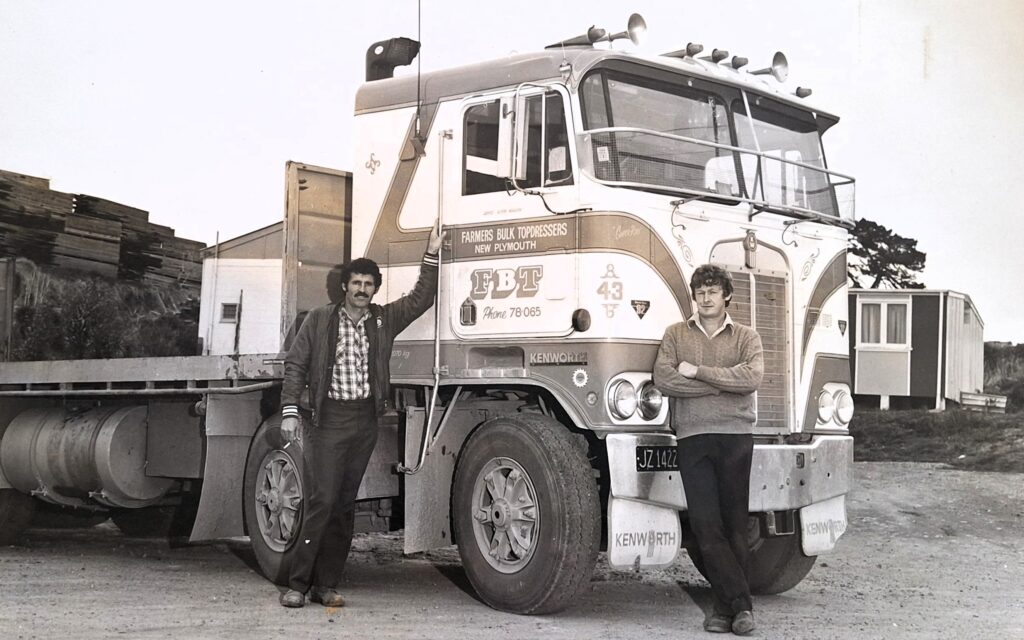
It was 1966 over a beer when John Geraghty and Malcolm Campbell made a decision. They’d both been working for Lou Stonnell’s spreading operation—long days, hard work, modest pay. But they saw an opportunity. They decided to have a go at their own spreading business.
They didn’t have capital. Malcolm’s mother lent them the deposit. They bought second-hand trucks and worked nights in the workshop fixing them up. Their first vehicle was a Morris Commercial spreader, and their first permanent employee was John Kurth.
But the real story started earlier—three years before, on their first day working together. They were sent out to a Mountain Road farm near Inglewood to spread fertiliser. Malcolm driving, John shovelling, both hungry and stubborn. John would later say: “young guys NEED FOOD!”
Fifty-four years later, they’d own that same Mountain Road property. Heritage doesn’t announce itself at the beginning. It builds quietly over decades.
The 60s & 70s: From Contractors to Owners
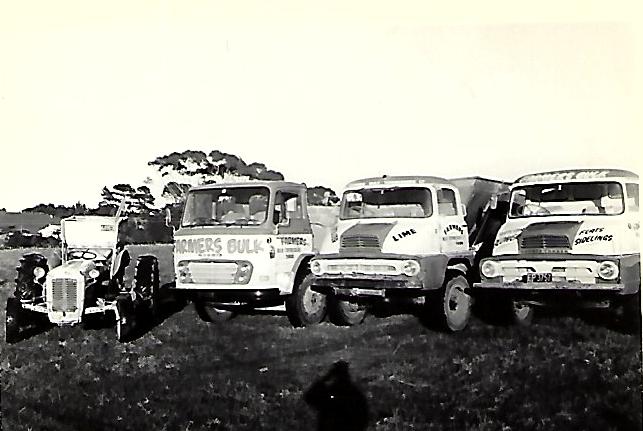
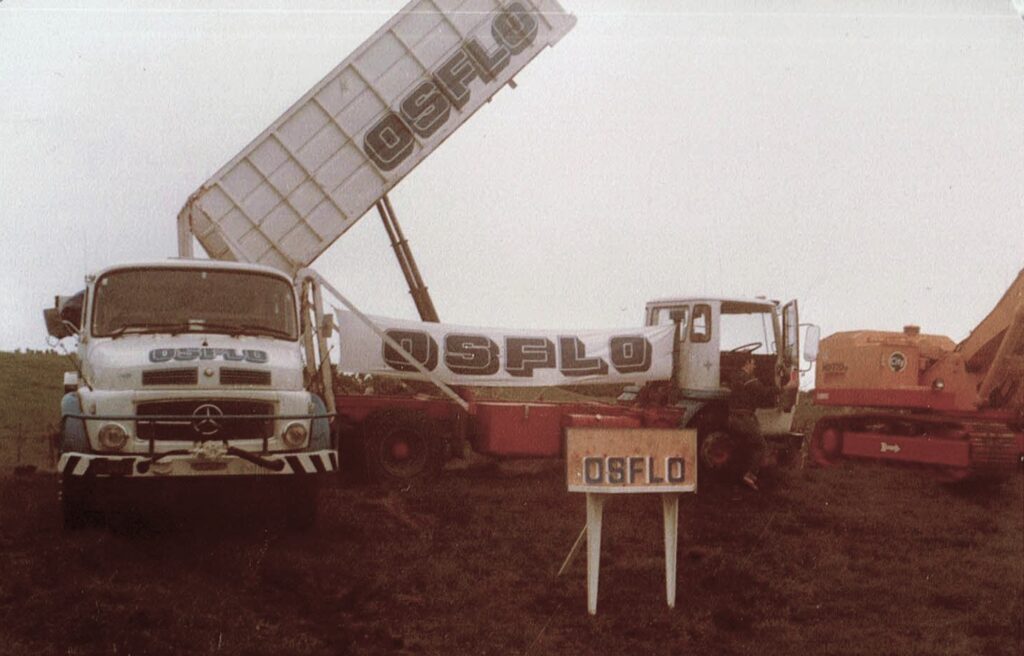
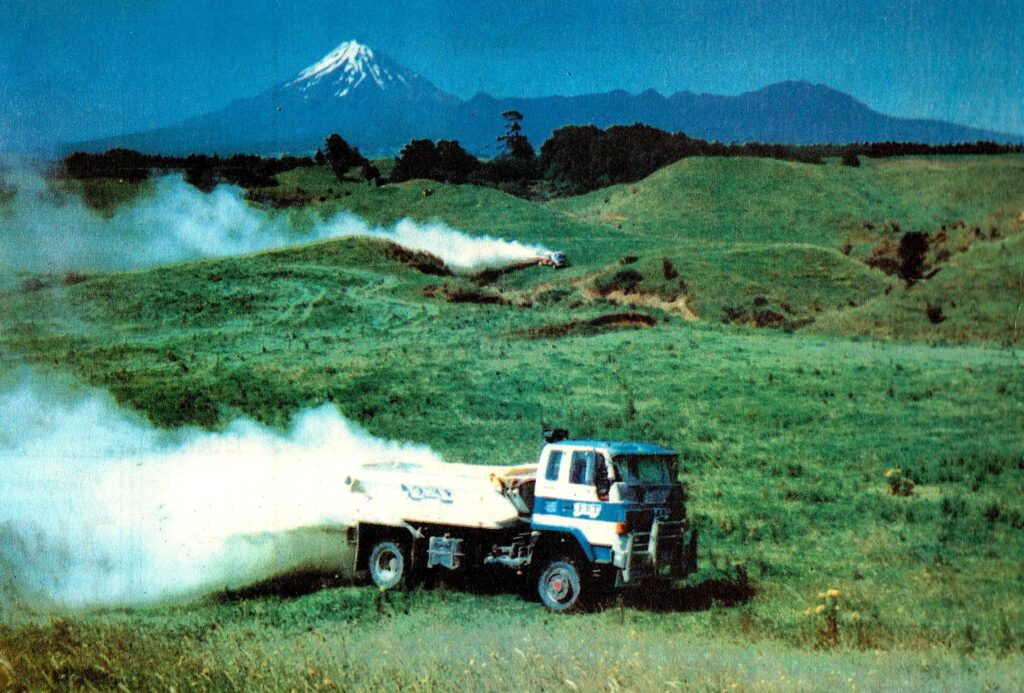
By the early 1970s, they’d introduced the first fertiliser blower to Taranaki. They’d landed a contract with Bruce Burmester to spread his chicken manure (OSFLO). They’d established the blue and white truck livery—simple, bold, visible on every farm from Opunake to Mahoenui.
And they’d caught the acquisition bug. By 1979, they’d purchased OSFLO outright from Bruce. A $250,000 vendor-financed bet. A large risk by both parties. It worked.
The 1974–1976 rural downturn tested them. New Zealand dairy farming was hit by brutal cost-price squeeze as global oil shocks drove up farm expenses while export returns collapsed. This financial strain was worsened by severe seasonal droughts and the loss of guaranteed access to the British market, forcing the industry into an urgent, expensive race to diversify its products and global customers. Farming collapsed. Fertiliser tonnage halved. They didn’t panic. They diversified into metal cartage and bulk transport. They built a workshop and learned to modify equipment.
By decade’s end, they were running multiple businesses, employing dozens of people, and operating across the North Island. They’d moved from contractors to operators to owners. But the work stayed the same: solving problems for farmers.
The 80s: Resilience Through Crisis
The 1980s were hectic and chaotic. Oil boom meant general freight to Auckland and back, overnight runs, crane trucks, TNT contracts, Petrocorp clients. They built a state-of-the-art workshop. They spread 31,000 tonnes of fertiliser annually. They felt unstoppable.
Then the economy collapsed.
In 1987, farming subsidies were removed. Transport subsidies were removed. Fertiliser subsidies were removed. Farming families went bankrupt. Truck volumes halved again. Margins disappeared.
John and Malcolm made a hard decision: they sold the general freight business to Hookers and walked away from the North Island overnight freight operation they’d spent a decade building. They did it without breaking creditors or laying off staff. They honoured their commitments even through loss. That’s not just business. That’s values.
They refocused on what they did best: spreading and bulk transport. The core business. The thing they understood. It was a humbling decade, but they learned what mattered and what didn’t.
The 90s: The Next Generation
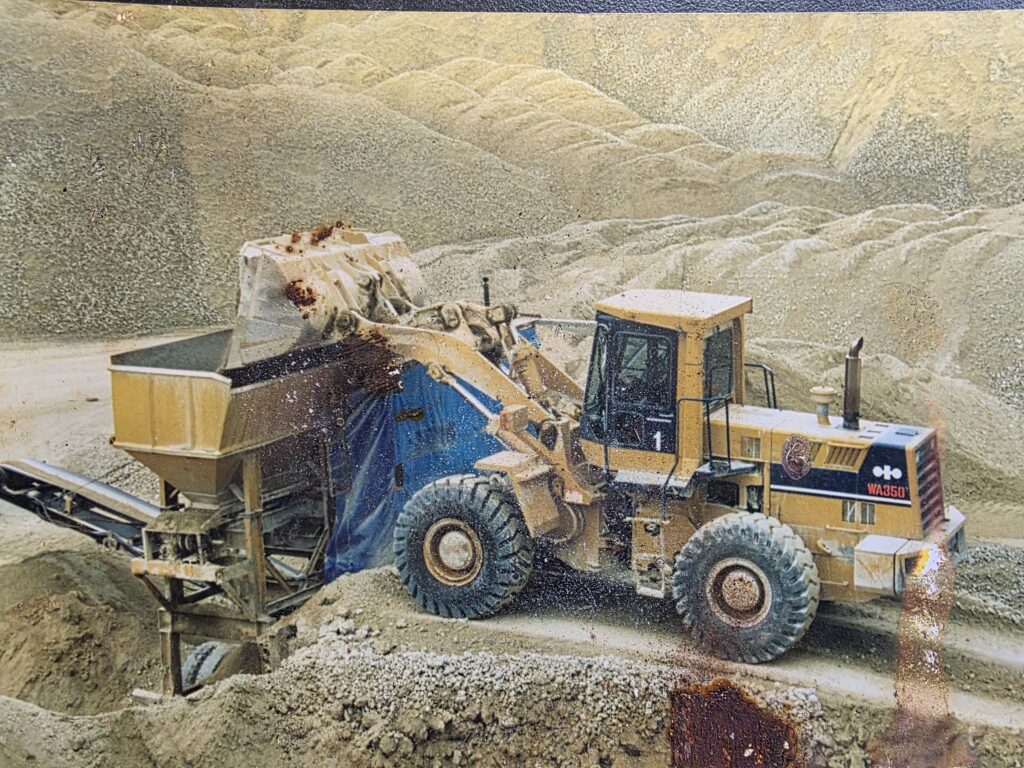
In 1991, they purchased Windy Point Quarry — adding shellrock crushing and road base production to their portfolio. That same year, they launched Nutrilink, creating custom fertiliser blends. Diversification wasn’t random; it was strategic. Agricultural services, not just spreading.
But the bigger story was personal. Rod Campbell, Malcolm’s son joined in 1991 as a qualified diesel mechanic. Dave Geraghty, John’s son arrived in 1998, earning his heavy traffic licence on his first day. The founders had made a bet: bring the family in, but only if they have the skills and commitment to earn their place.
Rod worked in the workshop under Ian McRae, learning to fix spreaders, and quarry equipment. Dave started as a spreader driver in Inglewood, learning from mentors like Les Lyford and Colin Busby. Both grew up around the business but entered through effort, not entitlement.
By 1995, FBT operated 45 vehicles, employed 77 staff, and covered the North Island with three depots. They’d achieved Q-Base Quality Assurance certification, the first spreading operation in central North Island to do so. They’d built something that worked at scale.
The 2000s: Recognition & Modernisation
The 2000s brought validation. Taranaki Business Awards. Road Transport Association Life Membership for John Geraghty. Westpac Trust awards. OSFLO became the first organic fertiliser in New Zealand to achieve Fertmark certification (2002).
More importantly, they started modernising. In 2004, they partnered with Ravensdown, bringing proof-of-placement technology and GPS mapping into the spreaders. Drivers could now print maps in the cab and leave proof of work with farmers. It sounds simple. It was revolutionary.
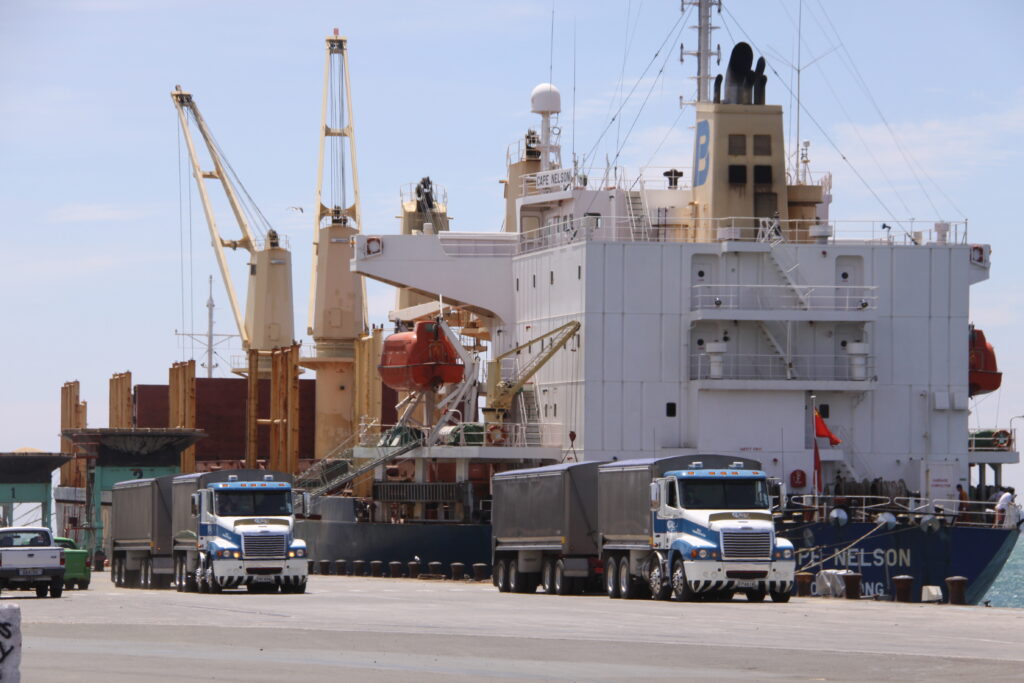
They secured the 24/7 Tegel cartage contract – round-the-clock grain movement from Port Taranaki. They built new offices at Katere Road. Dave, now in dispatch, built the office cabinetry himself in FBT colours. Rod became Operations Manager at Spreading FBT, learning from General Manager Anton Naus, who taught him that great managers don’t shout.
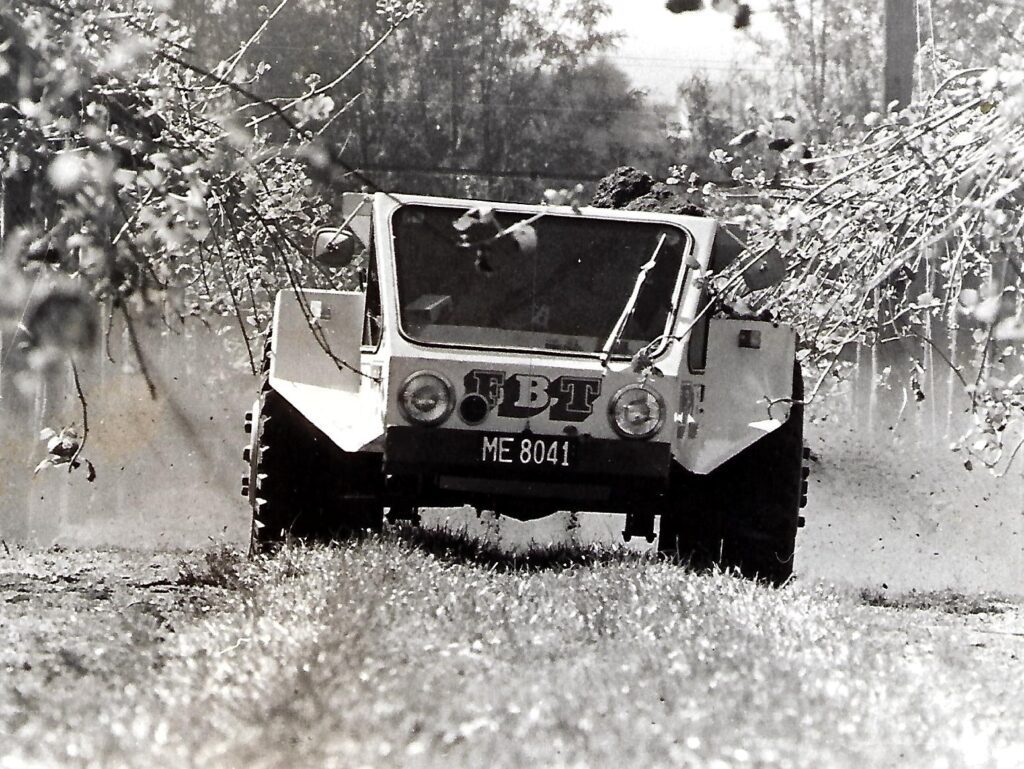
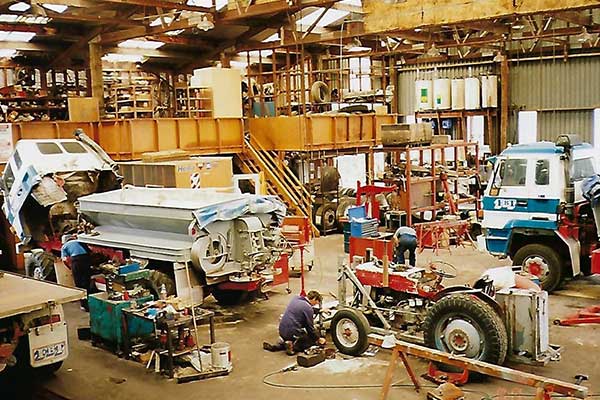
The workshop evolved from repair shop to innovation centre. They designed spreaders to fit under kiwifruit canopies. They modified Unimogs for soft country work. They weren’t just maintaining equipment; they were engineering solutions.
In 2006, OSFLO achieved BioGro organic certification. The philosophy was clear: sustainability wasn’t a marketing angle. It was a commitment.
The 2010s: Full Circle & Succession
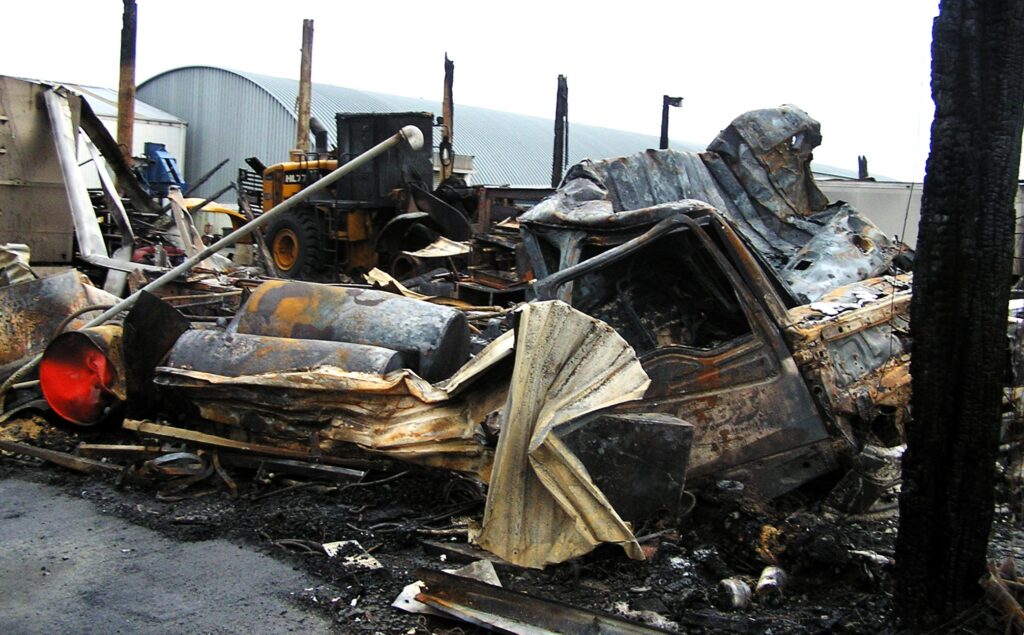
In 2011, a fire destroyed 80% of the Katere Road workshop. They lost two trucks and heavy equipment. Within a week, they were operating from a vacant building. Within two years, they’d rebuilt bigger.
That same year, they introduced the Isuzu Mini Spreader for the lifestyle block market, farmers with smaller properties who needed smaller loads. Innovation continued.
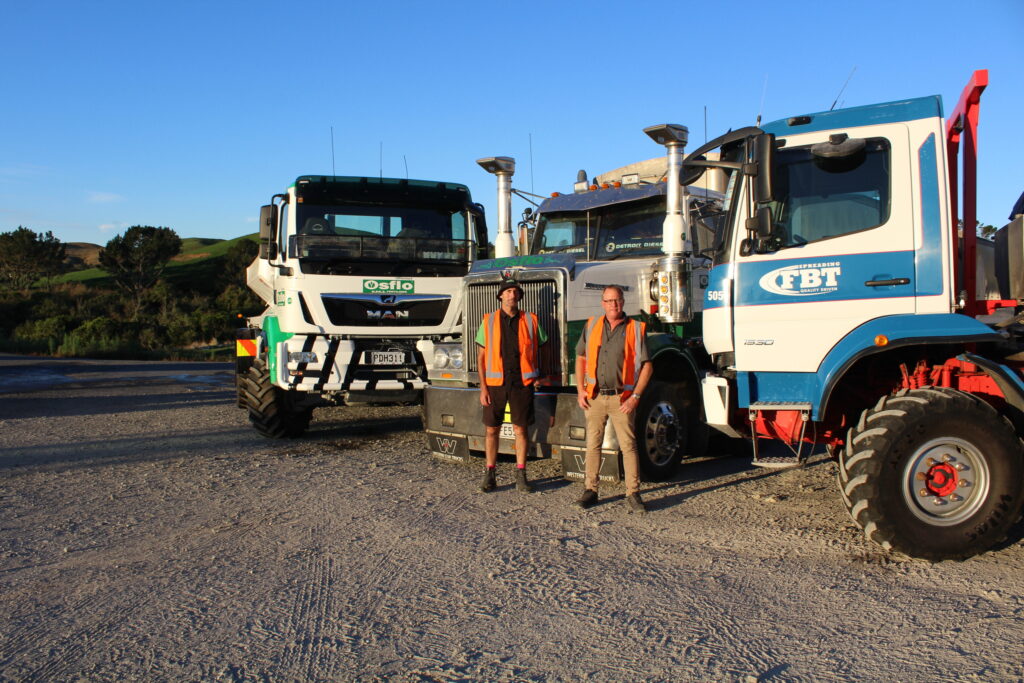
In 2017, they purchased Mountain Road, the same farm where John and Malcolm had their first job 54 years earlier. It wasn’t nostalgia. It was a statement: we’re going full circle, and we’re building the future here. In 2018, John Geraghty and Malcolm Campbell sold the business to their sons. Rod Campbell and Dave Geraghty became the owners. Dave had built office cabinetry and driven spreaders. Rod had rebuilt cummins engines and managed operations. Both understood the business at ground level. Both had earned it.
The 2020’s: New Leadership, Same Values
In 2020, after two years at the helm, Rod and Dave realised they needed experienced external leadership to scale responsibly. They appointed Rob Facer as CEO – and here’s the thing: Rob wasn’t an outsider. He’d joined Osflo as a spreader driver during his recovery from serious illness. He knew the work. He’d worked his way up from the ground.
In 2022, Rob was bought in as a shareholder. They bought out Ravensdown’s 50% shareholding in Spreading FBT, gaining full independence. They diversified into liquid fertiliser application. The portfolio expanded to include Just Cabins franchise. More importantly, the culture stayed intact. Founders as mentors. Sons as directors. External CEO as leader. Three generations working together, not against each other.
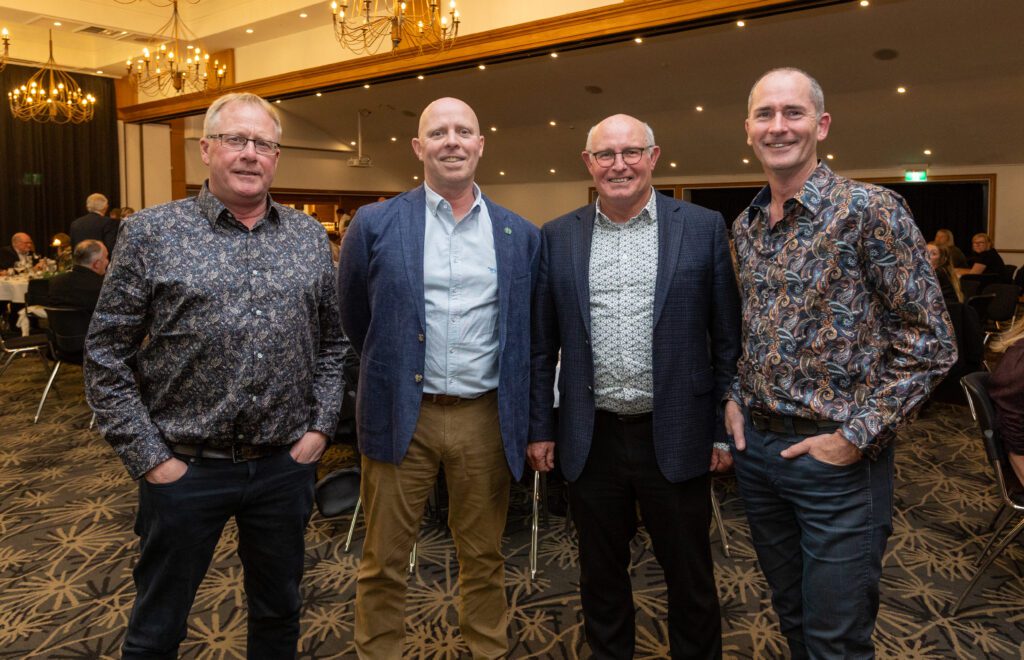
Why Sixty Years Matters
It’s not about the length of time. It’s about what you do with it. John and Malcolm stayed in Taranaki when consolidation was trendy. They diversified into quarrying and workshops when spreading alone wasn’t enough. They mentored their sons instead of giving them golden parachutes. They brought in external talent without diluting family values. They survived subsidy removal, rural collapse, and a workshop fire by staying committed to solving real problems for farmers.
That’s resilience. That’s values. That’s what sixty years builds.
The 60 Yeas in business book is due to be published later in 2026 and written by Gay Lawrence – tells this story in full. It includes the legends (the vegemite sandwich under the truck seat, the engines rattling the school hall, the father and son racing through the night with emergency ice cream). It honours the women behind the scenes, Lorraine Campbell and Sue Geraghty. It celebrates the staff who stayed through downturns and the customers who trusted them across decades.
But most importantly, it makes clear: we’re not resting on what came before. We’re building on it. The next sixty years starts now.The GC Group – Osflo Fertiliser, Spreading FBT, FBT Workshop, and Windy Point Quarry. Sixty years of serving Taranaki agriculture. Built by two young men who had a vision. Carried by the people who chose to stay